Deforestation is a critical issue that has far-reaching impacts on biodiversity. The destruction of forests around the world has caused significant harm to various plant and animal species, leading to a loss of diversity in ecosystems. This article delves into the effects of deforestation on biodiversity and highlights the importance of preserving our forests for the future of our planet.
### The Loss of Habitat
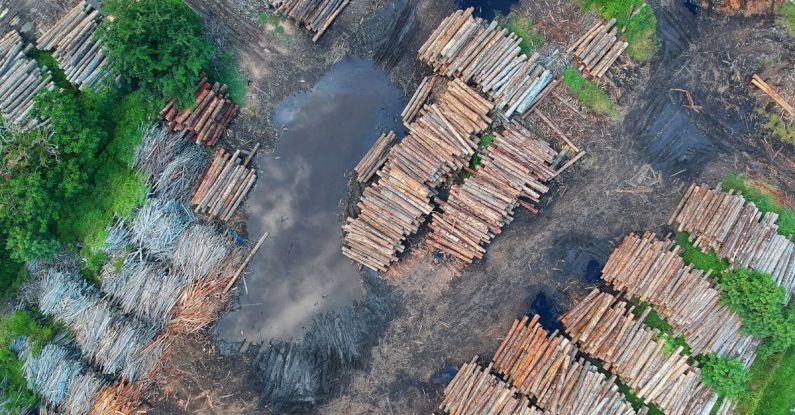
One of the most significant impacts of deforestation on biodiversity is the loss of habitat for countless species. Forests provide a home for a wide array of plants and animals, many of which are unable to survive in other environments. When trees are cut down and forests are cleared to make way for agriculture, urban development, or logging, these species lose their homes and struggle to find suitable alternative habitats. As a result, many species face the threat of extinction due to the destruction of their natural environment.
### Disruption of Food Chains and Ecosystems
Forests play a crucial role in maintaining the delicate balance of ecosystems. The diverse range of plants and animals within forest ecosystems are interconnected through intricate food chains and relationships. When deforestation occurs, these ecosystems are disrupted, leading to a cascade of effects on biodiversity. Species that rely on specific plants for food may struggle to find sustenance, while predators may lose their prey, causing imbalances that can have ripple effects throughout the entire ecosystem.
### Decline in Biodiversity
The loss of forests due to deforestation results in a significant decline in biodiversity. As habitats are destroyed and species are unable to adapt or find new homes, the richness and variety of life within an ecosystem diminish. This loss of biodiversity has far-reaching consequences, as it can lead to a decrease in ecosystem resilience and productivity. Without a diverse range of species to fulfill different roles within an ecosystem, the entire system becomes more vulnerable to disturbances and less able to recover from environmental changes.
### Threats to Endangered Species
Deforestation poses a particularly grave threat to endangered species that are already at risk of extinction. Many endangered species rely on specific forest habitats for their survival, and the destruction of these habitats further jeopardizes their chances of recovery. As forests disappear, so too do the last remaining refuges for these vulnerable species, pushing them closer to the brink of extinction. The loss of biodiversity resulting from deforestation can have devastating consequences for the future of these endangered species and the ecosystems they inhabit.
### Impact on Indigenous Communities
In addition to its effects on biodiversity, deforestation also has significant impacts on indigenous communities that depend on forests for their livelihoods and cultural practices. Indigenous peoples around the world have long-standing relationships with the forests in which they live, relying on them for food, medicine, shelter, and spiritual connection. When forests are destroyed, indigenous communities not only lose their homes and resources but also face the erasure of their cultural heritage and traditional knowledge.
### Preserving Biodiversity for Future Generations
The impacts of deforestation on biodiversity underscore the urgent need to take action to preserve our forests and the species that depend on them. Conservation efforts, sustainable land management practices, and reforestation initiatives are essential to protect the world’s biodiversity and ensure a sustainable future for all life on Earth. By recognizing the value of biodiversity and the critical role that forests play in supporting diverse ecosystems, we can work towards a more harmonious relationship between humanity and the natural world.
In conclusion, the impacts of deforestation on biodiversity are profound and wide-ranging, affecting not only individual species but entire ecosystems and the communities that depend on them. It is imperative that we prioritize the preservation of our forests and take steps to mitigate the destructive effects of deforestation to safeguard biodiversity for future generations. By working together to protect our natural habitats and the species that call them home, we can help to ensure a healthier and more sustainable planet for all.