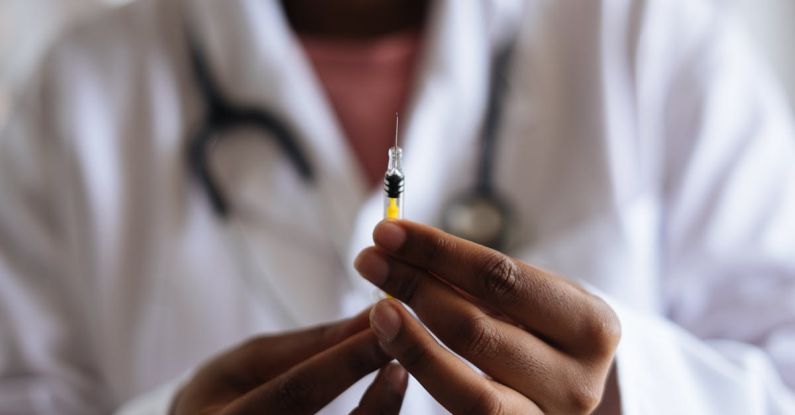
Vaccines are a critical tool in preventing the spread of infectious diseases and have played a significant role in reducing mortality rates worldwide. By stimulating the body’s immune system to recognize and combat specific pathogens, vaccines work to prevent diseases before they have a chance to take hold. Understanding how vaccines function to protect us is essential in appreciating their importance in public health efforts.
The Immune Response
When a pathogen enters the body, the immune system mounts a defense to eliminate the invader and prevent illness. The immune response involves the production of antibodies, specialized proteins that recognize and bind to specific antigens on the surface of pathogens. This recognition marks the pathogen for destruction by immune cells, effectively eliminating the threat.
Introduction of Vaccines
Vaccines harness the power of the immune system by exposing it to harmless versions of pathogens or their antigens. By introducing these components into the body, vaccines prime the immune system to recognize and remember the pathogen without causing illness. This preparation allows the immune system to mount a rapid and effective response when encountering the actual pathogen in the future.
Activation of Immune Response
Upon administration of a vaccine, the immune system identifies the introduced pathogen components as foreign and initiates an immune response. Specialized cells, such as antigen-presenting cells, capture the vaccine components and present them to other immune cells for recognition. This process triggers the production of antibodies specific to the pathogen, as well as the activation of immune memory cells that “remember” the pathogen for future encounters.
Memory Response
One of the key benefits of vaccines is their ability to create immune memory. Memory cells generated in response to a vaccine remain in the body long after the initial immune response, providing a rapid and robust defense upon re-exposure to the pathogen. This memory response is crucial in preventing severe illness and reducing the spread of infectious diseases within populations.
Herd Immunity
Vaccines not only protect individuals but also contribute to the concept of herd immunity. When a significant portion of a population is vaccinated against a particular disease, it creates a collective shield that limits the spread of the pathogen. By reducing the number of susceptible individuals, vaccines help protect vulnerable populations, such as infants, elderly, and individuals with compromised immune systems, who may not be able to receive vaccinations themselves.
Types of Vaccines
There are several types of vaccines used to prevent diseases, each designed to stimulate the immune system in different ways. Live attenuated vaccines contain weakened forms of the pathogen, while inactivated vaccines use killed versions of the pathogen. Subunit vaccines contain only specific antigens of the pathogen, while mRNA vaccines provide genetic instructions for cells to produce antigens. Each type of vaccine has its advantages and is chosen based on factors such as the nature of the pathogen and the desired immune response.
Eradication of Diseases
Vaccines have been instrumental in the eradication of deadly diseases such as smallpox and near-elimination of others like polio. Through widespread vaccination campaigns, these diseases have been brought under control, demonstrating the power of vaccines in saving lives and reducing suffering. Continued research and development of vaccines hold the promise of combating emerging infectious threats and further improving global public health.
Innovation and Future Prospects
Advances in vaccine technology, such as the development of mRNA vaccines for COVID-19, showcase the potential for innovative approaches in disease prevention. The rapid response to the pandemic highlighted the adaptability of vaccine research and the importance of global collaboration in addressing health crises. Looking ahead, ongoing efforts to improve vaccine efficacy, accessibility, and delivery methods aim to enhance their impact in safeguarding public health worldwide.
Embracing Vaccination
In conclusion, vaccines play a crucial role in preventing diseases by priming the immune system to recognize and combat pathogens effectively. Through the generation of immune memory and the concept of herd immunity, vaccines not only protect individuals but also contribute to the overall health of populations. Continued investment in vaccine research and promotion of vaccination programs are vital in ensuring a healthier future for all. By understanding how vaccines work and embracing their benefits, we can collectively strive towards a world where infectious diseases are no longer a major threat.