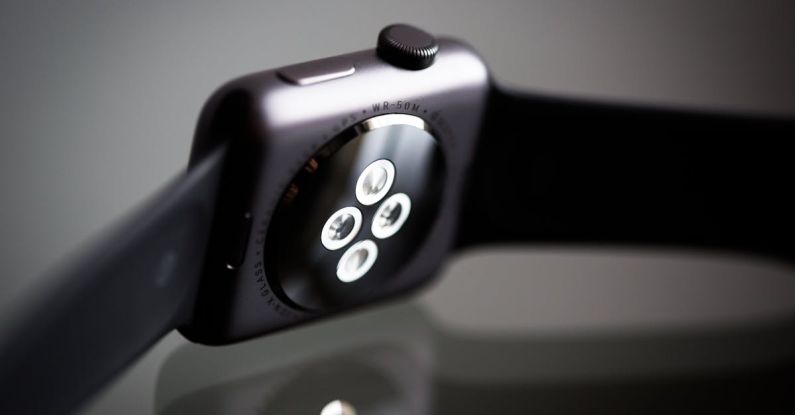
In today’s fast-paced world, technology continues to revolutionize various aspects of our lives, including healthcare. Wearable health tech, such as fitness trackers, smartwatches, and other devices, have gained popularity in recent years for their ability to monitor and track various health metrics. These devices offer a range of benefits that can help individuals take control of their health and well-being. Let’s delve into the advantages of incorporating wearable health tech into our daily lives.
Enhanced Monitoring and Tracking Capabilities
One of the key benefits of wearable health tech is its ability to provide real-time monitoring and tracking of vital health metrics. These devices can track various parameters such as heart rate, sleep patterns, physical activity, and even stress levels. By continuously monitoring these metrics, individuals can gain valuable insights into their overall health and make informed decisions to improve their well-being.
Motivation and Accountability
Wearable health tech serves as a constant reminder and motivator for individuals to stay active and maintain a healthy lifestyle. Many devices come equipped with features such as activity tracking, goal setting, and reminders to encourage users to engage in physical activity and make healthier choices throughout the day. The gamification aspect of these devices, such as earning badges or competing with friends, can further motivate individuals to reach their health and fitness goals.
Personalized Health Insights
Another significant benefit of wearable health tech is the ability to provide personalized health insights based on individual data. These devices use advanced algorithms to analyze the collected data and generate valuable insights about the user’s health trends and patterns. By understanding these insights, individuals can make targeted changes to their lifestyle, such as adjusting their exercise routine or improving their sleep habits, to optimize their health outcomes.
Early Detection and Prevention
Wearable health tech has the potential to facilitate early detection and prevention of health issues by continuously monitoring key health indicators. For example, some devices can detect irregular heart rhythms or fluctuations in blood pressure, which may indicate underlying health conditions. By alerting users to these potential issues, wearable health tech can empower individuals to seek timely medical intervention and prevent more serious health problems down the line.
Improved Communication with Healthcare Providers
Many wearable health tech devices are designed to sync with smartphones or other digital platforms, allowing users to easily share their health data with healthcare providers. This seamless communication enables healthcare professionals to gain a comprehensive understanding of the individual’s health status and track changes over time. By sharing this data, users can receive personalized recommendations and guidance from their healthcare providers to improve their health outcomes.
Integration with Telemedicine and Remote Monitoring
The rise of telemedicine and remote monitoring has further highlighted the importance of wearable health tech in facilitating virtual healthcare services. These devices can transmit real-time health data to healthcare providers, enabling them to monitor patients remotely and make informed decisions about their care. This integration of wearable health tech with telemedicine has the potential to revolutionize healthcare delivery by increasing access to care and improving patient outcomes.
Enhanced User Experience and Convenience
Wearable health tech offers a user-friendly and convenient way to track and monitor health metrics without the need for bulky equipment or frequent visits to healthcare facilities. These devices are designed to be lightweight, comfortable to wear, and easy to use, making them accessible to individuals of all ages and fitness levels. The seamless integration of wearable health tech into daily routines allows users to effortlessly incorporate health monitoring into their busy lifestyles.
In conclusion, wearable health tech offers a plethora of benefits that can empower individuals to take charge of their health and well-being. From enhanced monitoring capabilities to personalized health insights and improved communication with healthcare providers, these devices have the potential to revolutionize the way we approach healthcare. By embracing wearable health tech, individuals can proactively manage their health, prevent potential issues, and ultimately lead healthier and more fulfilling lives.