Innovative technologies are reshaping the way we live and interact with our urban environments. As cities continue to grow and face various challenges, the concept of smart cities has emerged as a solution to improve urban living conditions. Smart cities leverage data and technology to enhance efficiency, sustainability, and overall quality of life for residents. From improved transportation systems to enhanced public services, the integration of smart technologies into urban spaces is revolutionizing the way we experience city life.
Advancements in Transportation and Mobility
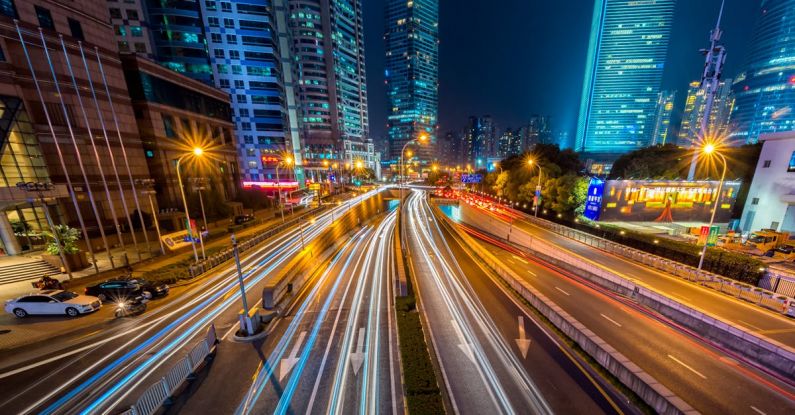
Smart cities are revolutionizing transportation systems, making them more efficient and sustainable. The integration of technologies such as real-time traffic monitoring, smart parking systems, and autonomous vehicles is transforming the way people move around cities. By collecting and analyzing data, smart cities can optimize traffic flow, reduce congestion, and minimize environmental impact. Commuters benefit from shorter travel times, decreased fuel consumption, and improved air quality, leading to a more seamless and eco-friendly transportation experience.
Enhanced Public Safety and Security
One of the key benefits of smart cities is the enhancement of public safety and security. Through the use of surveillance cameras, IoT sensors, and predictive analytics, cities can monitor and respond to potential security threats in real-time. Additionally, smart technologies enable quick emergency response times and more effective disaster management strategies. By creating a safer environment for residents and visitors, smart cities contribute to a sense of security and well-being, encouraging economic growth and community development.
Efficient Resource Management
Smart cities are also focused on optimizing resource management to promote sustainability and reduce waste. By implementing smart grids, water conservation systems, and waste management solutions, cities can monitor and control resource usage more effectively. This leads to lower energy consumption, reduced water wastage, and improved overall environmental sustainability. By embracing smart technologies, cities can work towards a more eco-friendly future while also saving costs and resources in the long run.
Improved Access to Public Services
Smart cities aim to enhance the delivery of public services to residents through digital innovations. By implementing smart healthcare systems, education platforms, and government services, cities can provide more accessible and efficient services to their citizens. For example, telemedicine services enable remote healthcare consultations, smart classrooms enhance learning experiences, and digital government platforms streamline administrative processes. These advancements in public service delivery contribute to increased convenience, accessibility, and quality of life for urban residents.
Community Engagement and Participation
Smart cities foster community engagement and participation through various digital tools and platforms. By promoting citizen involvement in decision-making processes, cities can better address the needs and concerns of their residents. Through mobile apps, social media platforms, and online forums, citizens can provide feedback, access information, and participate in local initiatives. This increased interaction and collaboration between residents and city authorities lead to more inclusive and responsive urban governance, ultimately creating a stronger sense of community and belonging.
Innovative Urban Design and Planning
Smart cities are reimagining urban design and planning to create more sustainable and livable spaces. The integration of smart technologies allows for the development of smart buildings, green spaces, and connected infrastructure. By incorporating features such as energy-efficient buildings, green roofs, and pedestrian-friendly streets, cities can enhance the overall urban environment and promote a healthier lifestyle for residents. Smart design principles prioritize human well-being, community connectivity, and environmental sustainability, shaping cities that are more resilient and adaptable to future challenges.
Embracing the Future of Urban Living
As cities continue to evolve and grow, the concept of smart cities offers a promising vision for the future of urban living. By harnessing the power of data and technology, cities can enhance efficiency, sustainability, and quality of life for their residents. From improved transportation systems to enhanced public services, smart cities are transforming the way we experience and interact with urban environments. By embracing innovation and collaboration, cities can create more inclusive, resilient, and vibrant communities that benefit both current and future generations.