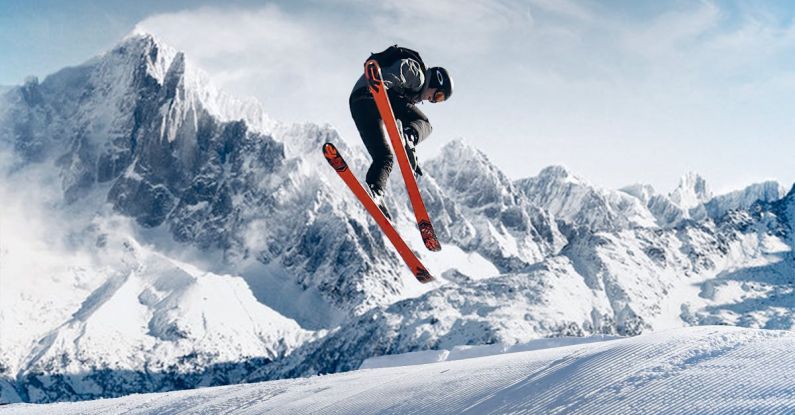
As winter sports enthusiasts eagerly anticipate the upcoming season, the impacts of climate change on these beloved activities loom large. The winter sports industry is facing unprecedented challenges due to the changing climate, with rising temperatures, unpredictable snowfall, and melting glaciers altering the landscapes where these activities take place. From skiing and snowboarding to ice hockey and figure skating, the effects of climate change are being felt across a wide range of winter sports. Let’s delve into the various ways in which climate change is impacting winter sports and what this means for the future of these activities.
**Rising Temperatures and Decreasing Snowfall**
One of the most significant impacts of climate change on winter sports is the rise in temperatures, leading to shorter winter seasons and decreasing snowfall in many regions. As average temperatures climb, snowpacks are melting earlier in the season and lasting for shorter periods, making it challenging for ski resorts and outdoor ice rinks to maintain quality conditions for winter sports. This not only affects the length of the skiing and snowboarding season but also impacts the availability of natural ice for activities like ice hockey and figure skating.
**Increased Risk of Avalanches and Other Hazards**
With changing weather patterns and less predictable snow conditions, the risk of avalanches and other hazards in mountainous regions where winter sports are popular has increased. Warmer temperatures can destabilize snowpacks, leading to a higher likelihood of avalanches, posing a significant threat to skiers, snowboarders, and other winter sports enthusiasts. Additionally, the variability in snow conditions can create hidden dangers such as thin ice on frozen lakes or rivers, putting individuals at risk of falling through and encountering other unexpected hazards.
**Impact on Winter Sports Tourism**
The effects of climate change on winter sports extend beyond the slopes and ice rinks to the economic impact on winter sports tourism. Ski resorts and winter sports destinations rely on consistent snowfall and cold temperatures to attract visitors and generate revenue. However, with shifting weather patterns and less reliable snow conditions, these destinations are facing challenges in maintaining their appeal to tourists. This can have a ripple effect on local economies that depend on winter sports tourism for income, leading to job losses and decreased revenue for businesses in these areas.
**Adaptation and Innovation in Winter Sports**
In response to the challenges posed by climate change, the winter sports industry is increasingly focusing on adaptation and innovation to ensure the sustainability of these activities. Ski resorts are investing in snowmaking technology to supplement natural snowfall and extend the ski season, while athletes and equipment manufacturers are exploring new materials and designs to cope with changing snow conditions. Additionally, there is a growing emphasis on sustainable practices within the winter sports community, with efforts to reduce carbon emissions and minimize the environmental impact of these activities.
**Looking Ahead: The Future of Winter Sports in a Changing Climate**
As we look to the future, it is clear that the impacts of climate change on winter sports will continue to pose challenges for enthusiasts, athletes, and industry stakeholders alike. While the effects of climate change are already being felt in the form of shorter seasons, unreliable snow conditions, and increased hazards, there is hope that through collective action and innovation, the winter sports community can adapt to these changes and ensure the long-term sustainability of these beloved activities. By prioritizing sustainable practices, investing in technology and infrastructure, and advocating for climate action, we can work towards a future where winter sports can thrive in a changing climate.
In conclusion, the impacts of climate change on winter sports are multifaceted and far-reaching, with implications for both the natural environments where these activities take place and the communities that rely on them for economic vitality. By acknowledging these challenges and taking proactive steps to address them, we can preserve the magic of winter sports for generations to come.