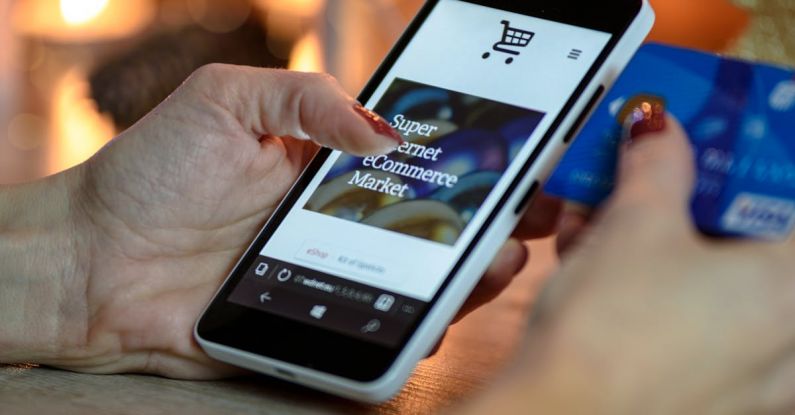
In today’s rapidly evolving market landscape, the rise of e-commerce has significantly impacted traditional retail markets. With the convenience of online shopping, consumers are now able to make purchases with just a few clicks, revolutionizing the way people buy products. This shift towards e-commerce has not only changed consumer behavior but has also forced brick-and-mortar retailers to adapt in order to stay competitive in the market. Let’s delve deeper into how e-commerce has influenced retail markets and what this means for the future of shopping.
**Changing Consumer Behavior**
One of the most noticeable effects of e-commerce on retail markets is the shift in consumer behavior. With the rise of online shopping platforms, consumers now have access to a wide range of products from the comfort of their homes. The convenience of being able to shop anytime, anywhere has led to a significant increase in online purchases. This change in behavior has not only impacted the way consumers shop but has also influenced their expectations when it comes to the overall shopping experience.
**Increased Competition**
The growth of e-commerce has also led to increased competition within the retail industry. With more businesses setting up online stores, traditional retailers are now faced with a crowded marketplace where they must compete not only with other brick-and-mortar stores but also with online retailers. This heightened competition has forced retailers to reevaluate their strategies and find new ways to attract and retain customers.
**Personalized Shopping Experience**
One of the key advantages of e-commerce is the ability to offer a personalized shopping experience to consumers. Online retailers can collect data on customer preferences and behavior, allowing them to tailor product recommendations and promotions to individual shoppers. This level of personalization has become a significant driver of sales in the e-commerce space, as consumers are more likely to make purchases from retailers that understand their needs and preferences.
**Impact on Brick-and-Mortar Stores**
The rise of e-commerce has had a profound impact on brick-and-mortar stores, with many retailers struggling to compete with their online counterparts. As more consumers turn to online shopping, traditional retailers have had to find ways to differentiate themselves and provide a unique in-store experience. Some have embraced technology, incorporating features like virtual reality fitting rooms and interactive displays to attract customers. Others have focused on providing exceptional customer service to set themselves apart from online retailers.
**The Future of Retail Markets**
As e-commerce continues to grow and evolve, the future of retail markets is likely to be shaped by online shopping trends. Traditional retailers will need to adapt to the changing landscape by integrating online and offline channels to create a seamless shopping experience for customers. Omni-channel retailing, where retailers offer a consistent experience across all channels, will become increasingly important in attracting and retaining customers.
**Adapting to the Digital Age**
In order to thrive in the digital age, retailers must embrace e-commerce and leverage technology to enhance the shopping experience. This means investing in online platforms, mobile apps, and digital marketing strategies to reach a wider audience of consumers. By adapting to the digital age, retailers can stay competitive in the market and continue to attract and retain customers in an increasingly online world.
**Embracing Innovation**
In conclusion, the influence of e-commerce on retail markets cannot be understated. The shift towards online shopping has fundamentally changed the way consumers shop and has forced retailers to adapt to a more competitive landscape. By embracing innovation and leveraging technology, retailers can stay ahead of the curve and thrive in the digital age. The future of retail markets will undoubtedly be shaped by e-commerce trends, and those who are able to successfully integrate online and offline channels will be best positioned to succeed in the evolving market landscape.