In today’s interconnected world, travel has become an integral part of people’s lives. Whether it’s for leisure, business, or personal reasons, the ability to move freely from one place to another is something many of us take for granted. However, with the rise of global challenges such as the COVID-19 pandemic, travel restrictions have become a common occurrence, significantly impacting the tourism industry worldwide.
The Impact of Travel Restrictions on Tourism
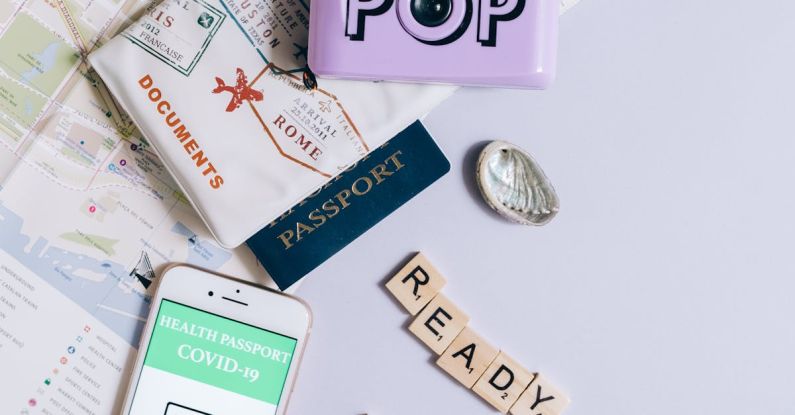
Travel restrictions, which include measures such as border closures, quarantine requirements, and limitations on the number of travelers allowed in a certain area, have had a profound impact on the tourism sector. With travel being restricted, many people have had to cancel or postpone their travel plans, leading to a sharp decline in tourist arrivals in various destinations. This sudden drop in tourists has had a ripple effect on the entire tourism ecosystem, affecting airlines, hotels, restaurants, tour operators, and local businesses that rely on tourism for their livelihood.
The Economic Impact
One of the most significant consequences of travel restrictions on tourism is the economic impact. The tourism industry is a major contributor to the global economy, generating billions of dollars in revenue each year. With travel restrictions in place, many businesses within the tourism sector have seen a dramatic decrease in revenue, leading to layoffs, closures, and financial struggles. In addition, countries that heavily rely on tourism as a source of income have been hit hard, experiencing a sharp decline in GDP and facing economic uncertainty.
The Social Impact
Travel restrictions have also had a social impact on both travelers and local communities. For travelers, canceled trips and disrupted travel plans can lead to feelings of frustration, disappointment, and uncertainty. The inability to explore new places, experience different cultures, and create lasting memories can take a toll on mental well-being. On the other hand, local communities that depend on tourism for their livelihood have been severely affected by the decline in visitors. Many people who work in the tourism industry, such as tour guides, hotel staff, and souvenir vendors, have lost their jobs or experienced a significant reduction in income, leading to financial strain and social upheaval.
The Environmental Impact
While travel restrictions have had negative consequences on the tourism industry, they have also had a positive impact on the environment. With fewer tourists traveling to popular destinations, there has been a noticeable reduction in carbon emissions, air pollution, and overcrowding in natural sites. This temporary respite from mass tourism has allowed ecosystems to regenerate, wildlife to thrive, and local communities to enjoy cleaner environments. As the world reevaluates its approach to travel and tourism, there is an opportunity to prioritize sustainability and responsible tourism practices that benefit both the environment and local communities.
Looking Ahead: Navigating the Future of Tourism
As countries begin to ease travel restrictions and reopen their borders, the tourism industry is faced with the challenge of rebuilding and recovering from the impact of the pandemic. It is essential for stakeholders within the tourism sector to collaborate, innovate, and adapt to the new normal in order to revive the industry in a sustainable and responsible manner. By implementing health and safety protocols, promoting domestic tourism, and embracing digital technologies, the tourism industry can gradually recover and thrive once again.
In conclusion, travel restrictions have had a profound impact on the tourism industry, affecting its economic, social, and environmental aspects. While the road to recovery may be long and challenging, there is an opportunity for the tourism sector to reinvent itself and emerge stronger from this crisis. By working together and embracing change, the industry can navigate the uncertainties of the future and create a more resilient and sustainable tourism ecosystem for generations to come.