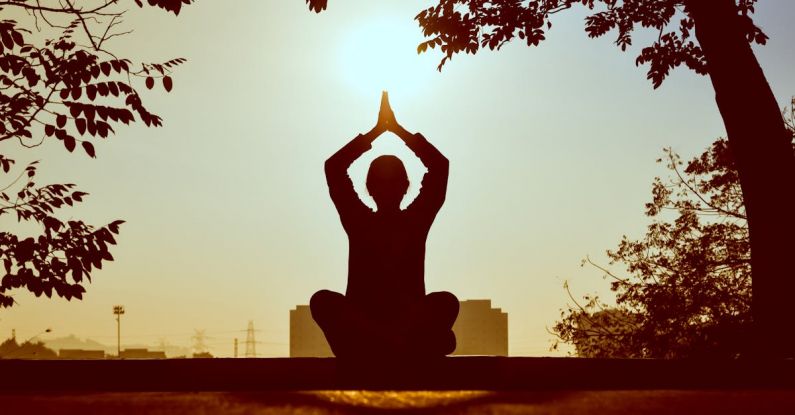
In today’s fast-paced and stress-filled world, anxiety and depression have become increasingly prevalent mental health issues. Many people are seeking alternative methods to manage these conditions, and one practice that has gained significant attention is meditation. Can meditation truly help reduce anxiety and depression? Let’s delve into the research and explore the potential benefits of incorporating meditation into your daily routine.
Understanding Anxiety and Depression
Anxiety and depression are complex mental health disorders that can significantly impact a person’s quality of life. Anxiety is characterized by persistent feelings of worry, fear, and uncertainty, while depression involves persistent feelings of sadness, hopelessness, and disinterest in activities that were once enjoyable. Both conditions can lead to a range of physical and emotional symptoms, affecting relationships, work performance, and overall well-being.
The Role of Meditation in Mental Health
Meditation is a practice that involves focusing the mind and cultivating a state of awareness and inner peace. While meditation has been practiced for thousands of years in various cultures, its benefits for mental health have gained recognition in recent years. Research suggests that regular meditation practice can help reduce symptoms of anxiety and depression by promoting relaxation, mindfulness, and emotional regulation.
Stress Reduction and Relaxation
One of the primary benefits of meditation is its ability to reduce stress and induce a state of relaxation. When we experience stress, our bodies release cortisol, a hormone associated with the body’s fight-or-flight response. Chronic stress can lead to an imbalance in cortisol levels, contributing to anxiety and depression. Meditation techniques such as deep breathing, progressive muscle relaxation, and guided imagery can help lower cortisol levels and promote a sense of calm and relaxation.
Mindfulness and Emotional Regulation
Mindfulness is a key component of many meditation practices and involves being fully present in the moment without judgment. By cultivating mindfulness through meditation, individuals can develop awareness of their thoughts and emotions, allowing them to observe them without becoming overwhelmed by them. This heightened awareness can help individuals regulate their emotions more effectively, reducing the intensity of anxiety and depressive symptoms.
Cognitive Restructuring and Positive Thinking
Another way meditation can help reduce anxiety and depression is through cognitive restructuring and promoting positive thinking. When we engage in meditation, we have the opportunity to challenge negative thought patterns and replace them with more positive and adaptive beliefs. By practicing self-compassion, gratitude, and acceptance during meditation, individuals can reframe their perspectives and cultivate a more optimistic outlook on life.
Creating a Daily Meditation Practice
To experience the benefits of meditation for anxiety and depression, it is essential to establish a regular meditation practice. Start by setting aside a few minutes each day to meditate, gradually increasing the duration as you become more comfortable with the practice. Experiment with different meditation techniques to find what works best for you, whether it’s mindfulness meditation, loving-kindness meditation, or body scan meditation.
Seeking Professional Support
While meditation can be a valuable tool for managing anxiety and depression, it is essential to remember that it is not a substitute for professional mental health treatment. If you are struggling with persistent symptoms of anxiety or depression, it is important to seek support from a qualified mental health professional. A therapist or counselor can work with you to develop a comprehensive treatment plan that may include meditation as a complementary practice.
Incorporating Meditation into Your Wellness Routine
In conclusion, meditation has the potential to reduce anxiety and depression by promoting relaxation, mindfulness, and emotional regulation. By incorporating meditation into your daily wellness routine, you can cultivate a greater sense of calm, resilience, and mental clarity. Remember that consistency and patience are key when it comes to reaping the benefits of meditation for mental health. Start small, stay committed, and embrace the transformative power of meditation on your journey to improved well-being.