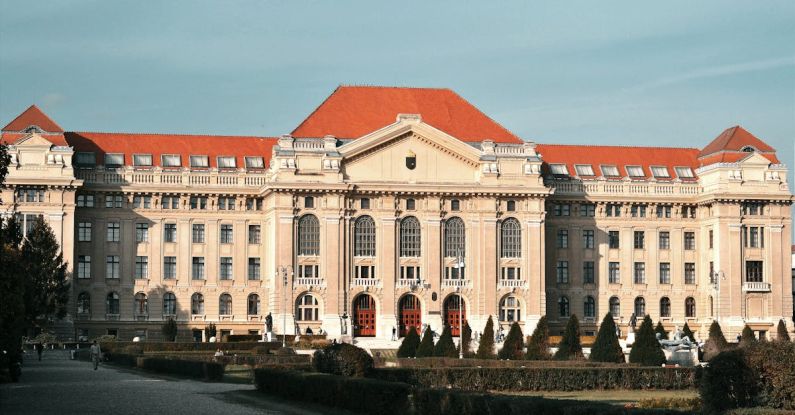
The Evolution of Higher Education in Response to Workforce Demands
In today’s rapidly changing job market, the role of higher education in preparing students for the workforce has never been more crucial. With technological advancements and shifting industry demands, educational institutions are faced with the challenge of ensuring that their programs are relevant and aligned with the needs of employers. How is higher education adapting to meet these evolving workforce needs?
Aligning Curriculum with Industry Trends
One of the primary ways in which higher education is responding to workforce needs is by aligning curriculum with current industry trends. By staying abreast of developments in various sectors, universities and colleges can ensure that their programs are up-to-date and equip students with the skills and knowledge needed to succeed in the workforce. This proactive approach helps bridge the gap between academia and industry, making graduates more attractive to potential employers.
Integrating Technology into Learning
Another key adaptation in higher education is the integration of technology into learning. As digital tools and platforms become increasingly prevalent in the workplace, educational institutions are incorporating these technologies into their teaching methods. From online learning platforms to virtual reality simulations, technology is reshaping the way students learn and interact with course material. By embracing these innovations, higher education can better prepare students for the tech-driven nature of many modern jobs.
Emphasis on Practical Skills and Experiential Learning
In response to the demand for job-ready graduates, higher education is placing a greater emphasis on practical skills and experiential learning. Rather than solely focusing on theoretical knowledge, many programs now include hands-on learning opportunities such as internships, co-op placements, and project-based assignments. By providing real-world experience, students can develop the skills and competencies needed to excel in their chosen fields upon graduation.
Flexible Learning Options
Recognizing the diverse needs of today’s workforce, higher education institutions are also offering more flexible learning options. Traditional full-time programs are being supplemented with part-time, online, and evening courses to accommodate students who may be working or have other commitments. This flexibility allows individuals to pursue further education without having to put their careers on hold, making it easier for them to upskill or reskill as needed in response to changing job market demands.
Collaboration with Industry Partners
Another strategy employed by higher education to adapt to workforce needs is fostering closer collaboration with industry partners. By working closely with businesses and organizations, educational institutions can gain valuable insights into current industry requirements and trends. This collaboration can lead to the development of specialized programs, guest lectures from industry experts, and opportunities for students to engage with potential employers. By building these relationships, higher education can better prepare students for the realities of the workforce.
Supporting Lifelong Learning
As the pace of change accelerates in many industries, the concept of lifelong learning has become increasingly important. Higher education institutions are recognizing this trend and offering opportunities for individuals to continue their education throughout their careers. Whether through short courses, professional development programs, or micro-credentials, universities and colleges are supporting lifelong learning initiatives to help individuals stay competitive in the ever-evolving job market.
Adapting to the Future of Work
In conclusion, higher education is evolving to meet the changing needs of the workforce by aligning curriculum with industry trends, integrating technology into learning, emphasizing practical skills, offering flexible learning options, collaborating with industry partners, and supporting lifelong learning. By staying responsive to the demands of the job market, educational institutions can better equip students with the skills and knowledge needed to succeed in their chosen careers. As the future of work continues to evolve, higher education will play a crucial role in preparing individuals for the opportunities and challenges that lie ahead.